Buy waschbecken.eu ?
We are moving the project
waschbecken.eu .
Are you interested in purchasing the domain
waschbecken.eu ?
domain@kv-gmbh.de · 0541-91531010
Buy waschbecken.eu ?
What is the difference between self-pollination and cross-pollination?
Self-pollination occurs when pollen from the same plant fertilizes the ovules within the same flower or between different flowers on the same plant. This can happen through the transfer of pollen by wind, water, or self-pollinating mechanisms. On the other hand, cross-pollination involves the transfer of pollen from the male reproductive organ of one plant to the female reproductive organ of another plant of the same species. This process promotes genetic diversity and can result in stronger, more resilient offspring. **
Why is artificial cross-pollination a complicated process?
Artificial cross-pollination is a complicated process because it requires careful manipulation of the reproductive organs of plants to ensure successful fertilization. This involves identifying the right parent plants, timing the pollination process correctly, and ensuring that the pollen is transferred to the right part of the plant. Additionally, artificial cross-pollination requires meticulous attention to detail to prevent contamination from unwanted pollen and to maintain the genetic purity of the resulting offspring. Overall, the process demands precision and expertise to achieve the desired outcomes. **

Similar search terms for Cross-pollination
Top-Angebote
Products related to Cross-pollination:
-
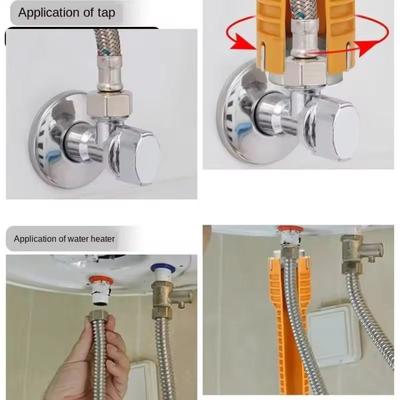
Inspired Living Multifunction Faucet & Sink Wrench Easy Plumbing Install & Removal Tool yellowA simple, dependable wrench that transforms frustrating faucet and sink repairs into an effortless DIY job. The Multifunction Faucet & Sink Wrench is built for homeowners and pros who dread crawling under sinks it reaches deep, tight spaces to...35,97 $*Shipping: 0,00 $Secure redirect to the provider
-
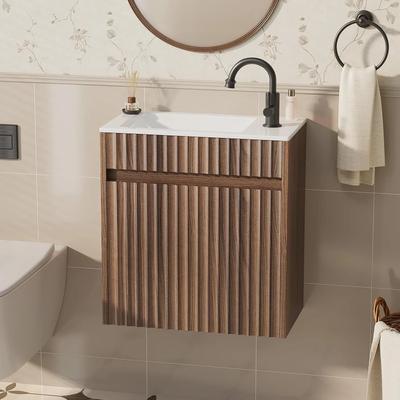
Ebern Designs Ronique 120Cm Wall Mounted Double Bathroom Vanity Sink with Ceramic Basin, Faucet and Hoses Brown 1,200mm WThe set comes everything you need and shipped by two sturdier packages. Including a vintage-toned sink with sintered stone-textured countertop, complementing ceramic basin and copper faucet, water connecting hoses and drain pipe, each component is masterfully crafted for high durability, ensuring a seamless installation and integration into the bathrooms. Ebern Designs699,99 £*Shipping: 0,00 £Secure redirect to the provider
-
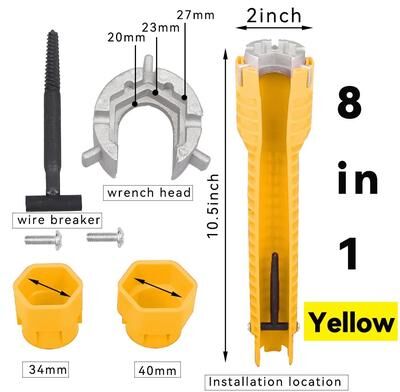
Uplift Treasures 8 In 1 Sink Faucet Wrench Plumbing Repair Tool 8 In 1 YellowProduct Description Make faucet installation and repairs easier with this 8 in 1 sink faucet wrench tool. Designed for tight spaces under sinks, it features a non slip grip and multiple functions to handle kitchen and bathroom plumbing tasks...59,97 $*Shipping: 0,00 $Secure redirect to the provider


-
What is pollination in flowers?
Pollination in flowers is the process by which pollen from the male reproductive organs (anthers) of a flower is transferred to the female reproductive organs (stigma) of the same or another flower, leading to fertilization and the production of seeds. This transfer of pollen can occur through various means, including wind, water, and animals such as bees, butterflies, and birds. Pollination is essential for the reproduction of flowering plants and the production of fruits and seeds. **
-
How does pollination occur in insects?
Pollination in insects occurs when they visit flowers in search of nectar or pollen. As they feed, they inadvertently brush against the reproductive parts of the flower, picking up pollen grains. When the insect moves to another flower of the same species, some of this pollen is transferred to the stigma, fertilizing the flower. This process allows for the successful reproduction of many plant species with the help of insect pollinators. **
-
What forms of pollination exist in primroses?
Primroses exhibit both self-pollination and cross-pollination. Self-pollination occurs when the plant's own pollen fertilizes its own ovules, leading to genetic uniformity. Cross-pollination, on the other hand, involves the transfer of pollen from one plant to another, promoting genetic diversity. Primroses can be pollinated by insects, such as bees and butterflies, as well as by wind. **
-
How does the pollination of insects occur?
Insect pollination occurs when insects, such as bees, butterflies, and beetles, visit flowers in search of nectar or pollen. As they move from flower to flower, they inadvertently transfer pollen from the male reproductive parts of one flower to the female reproductive parts of another. This transfer of pollen allows for fertilization and the production of seeds and fruits. Insects are attracted to flowers by their colors, scents, and nectar, and in the process of feeding, they facilitate the crucial process of pollination. **


What terms exist for external and internal pollination?
External pollination occurs when pollen is transferred between flowers by an external agent, such as wind, water, or animals. Internal pollination, on the other hand, occurs when pollen is transferred within the same flower or between flowers of the same plant. Both types of pollination are essential for the reproduction of many plant species. **
Do grapes only grow with pollination by bees?
No, grapes do not require pollination by bees to grow. Grapes are self-pollinating plants, meaning they have both male and female reproductive parts within the same flower, allowing them to pollinate themselves. While bees can help with pollination and increase grape yields, they are not necessary for grape production. **
Top-Angebote
Products related to Cross-pollination:
-
All Categories Goods Modern White Ceramic Bathroom Vanity Top Sink With Pre Drilled Faucet Hole, Durable Vanity Basin Modern White Ceramic Bathroom Vanity Top Sink With Pre Drilled Faucet Hole, Durable Vanity BasinElevate Your Bathroom with Timeless Elegance Transform your space with this White Ceramic Bathroom Vanity Top Sink with PreDrilled Faucet Hole, designed for women who value both beauty and practicality. Its crisp white finish brightens any bathroom,...109,97 $*Shipping: 0,00 $Secure redirect to the provider
-
Uplift Treasures 8 in 1 Multi Functional Sink Faucet Wrench Universal Large Open Plumbing Tool For Bathroom & Household Water Pipe 8 in 1 Multi Functional Sink Faucet Wrench Universal Large Open Plumbing Tool For Bathroom & Household Water PipeProduct Description Make faucet and pipe installation easier with this 8in1 MultiFunctional Sink Faucet Wrench. Designed with a large openend structure and universal compatibility, this tool is perfect for tightening or loosening nuts, pipes, and...42,97 $*Shipping: 0,00 $Secure redirect to the provider
-
Inspired Living Multifunction Faucet & Sink Wrench Easy Plumbing Install & Removal Tool yellowA simple, dependable wrench that transforms frustrating faucet and sink repairs into an effortless DIY job. The Multifunction Faucet & Sink Wrench is built for homeowners and pros who dread crawling under sinks it reaches deep, tight spaces to...35,97 $*Shipping: 0,00 $Secure redirect to the provider
-
Ebern Designs Ronique 120Cm Wall Mounted Double Bathroom Vanity Sink with Ceramic Basin, Faucet and Hoses Brown 1,200mm WThe set comes everything you need and shipped by two sturdier packages. Including a vintage-toned sink with sintered stone-textured countertop, complementing ceramic basin and copper faucet, water connecting hoses and drain pipe, each component is masterfully crafted for high durability, ensuring a seamless installation and integration into the bathrooms. Ebern Designs699,99 £*Shipping: 0,00 £Secure redirect to the provider
-
What is the difference between self-pollination and cross-pollination?
Self-pollination occurs when pollen from the same plant fertilizes the ovules within the same flower or between different flowers on the same plant. This can happen through the transfer of pollen by wind, water, or self-pollinating mechanisms. On the other hand, cross-pollination involves the transfer of pollen from the male reproductive organ of one plant to the female reproductive organ of another plant of the same species. This process promotes genetic diversity and can result in stronger, more resilient offspring. **
-
Why is artificial cross-pollination a complicated process?
Artificial cross-pollination is a complicated process because it requires careful manipulation of the reproductive organs of plants to ensure successful fertilization. This involves identifying the right parent plants, timing the pollination process correctly, and ensuring that the pollen is transferred to the right part of the plant. Additionally, artificial cross-pollination requires meticulous attention to detail to prevent contamination from unwanted pollen and to maintain the genetic purity of the resulting offspring. Overall, the process demands precision and expertise to achieve the desired outcomes. **
-
What is pollination in flowers?
Pollination in flowers is the process by which pollen from the male reproductive organs (anthers) of a flower is transferred to the female reproductive organs (stigma) of the same or another flower, leading to fertilization and the production of seeds. This transfer of pollen can occur through various means, including wind, water, and animals such as bees, butterflies, and birds. Pollination is essential for the reproduction of flowering plants and the production of fruits and seeds. **
-
How does pollination occur in insects?
Pollination in insects occurs when they visit flowers in search of nectar or pollen. As they feed, they inadvertently brush against the reproductive parts of the flower, picking up pollen grains. When the insect moves to another flower of the same species, some of this pollen is transferred to the stigma, fertilizing the flower. This process allows for the successful reproduction of many plant species with the help of insect pollinators. **
Similar search terms for Cross-pollination
-
Uplift Treasures 8 In 1 Sink Faucet Wrench Plumbing Repair Tool 8 In 1 YellowProduct Description Make faucet installation and repairs easier with this 8 in 1 sink faucet wrench tool. Designed for tight spaces under sinks, it features a non slip grip and multiple functions to handle kitchen and bathroom plumbing tasks...59,97 $*Shipping: 0,00 $Secure redirect to the provider
-
Inspired Living Multifunction Faucet & Sink Wrench Easy Plumbing Install & Removal Tool redA simple, dependable wrench that transforms frustrating faucet and sink repairs into an effortless DIY job. The Multifunction Faucet & Sink Wrench is built for homeowners and pros who dread crawling under sinks it reaches deep, tight spaces to...35,97 $*Shipping: 0,00 $Secure redirect to the provider
-
Ebern Designs Ronique 100Cm Wall Mounted Single Bathroom Vanity Sink with Ceramic Basin, Faucet and Hoses Brown 1,000mm WThe set comes everything you need and shipped by two sturdier packages. Including a vintage-toned sink with sintered stone-textured countertop, complementing ceramic basin and copper faucet, water connecting hoses and drain pipe, each component is masterfully crafted for high durability, ensuring a seamless installation and integration into the bathrooms. Ebern Designs439,99 £*Shipping: 0,00 £Secure redirect to the provider
-
What forms of pollination exist in primroses?
Primroses exhibit both self-pollination and cross-pollination. Self-pollination occurs when the plant's own pollen fertilizes its own ovules, leading to genetic uniformity. Cross-pollination, on the other hand, involves the transfer of pollen from one plant to another, promoting genetic diversity. Primroses can be pollinated by insects, such as bees and butterflies, as well as by wind. **
-
How does the pollination of insects occur?
Insect pollination occurs when insects, such as bees, butterflies, and beetles, visit flowers in search of nectar or pollen. As they move from flower to flower, they inadvertently transfer pollen from the male reproductive parts of one flower to the female reproductive parts of another. This transfer of pollen allows for fertilization and the production of seeds and fruits. Insects are attracted to flowers by their colors, scents, and nectar, and in the process of feeding, they facilitate the crucial process of pollination. **
-
What terms exist for external and internal pollination?
External pollination occurs when pollen is transferred between flowers by an external agent, such as wind, water, or animals. Internal pollination, on the other hand, occurs when pollen is transferred within the same flower or between flowers of the same plant. Both types of pollination are essential for the reproduction of many plant species. **
-
Do grapes only grow with pollination by bees?
No, grapes do not require pollination by bees to grow. Grapes are self-pollinating plants, meaning they have both male and female reproductive parts within the same flower, allowing them to pollinate themselves. While bees can help with pollination and increase grape yields, they are not necessary for grape production. **
* All prices are inclusive of VAT and, if applicable, plus shipping costs. The offer information is based on the details provided by the respective shop and is updated through automated processes. Real-time updates do not occur, so deviations can occur in individual cases. ** Note: Parts of this content were created by AI.