Buy waschbecken.eu ?
We are moving the project
waschbecken.eu .
Are you interested in purchasing the domain
waschbecken.eu ?
domain@kv-gmbh.de · 0541-91531010
Buy waschbecken.eu ?
What type of inhibition occurs through allosteric activation/inhibition?
Allosteric inhibition occurs when a molecule binds to an allosteric site on an enzyme, causing a conformational change that reduces the enzyme's activity. This type of inhibition is non-competitive, meaning it does not compete with the substrate for the active site. Allosteric activation, on the other hand, occurs when a molecule binds to an allosteric site and enhances the enzyme's activity. Both allosteric inhibition and activation involve the binding of a regulatory molecule to a site other than the active site of the enzyme, leading to a change in the enzyme's activity. **
Is allosteric inhibition the same as non-competitive inhibition?
Allosteric inhibition and non-competitive inhibition are not the same, although they are related. Non-competitive inhibition refers to the binding of an inhibitor to a site on the enzyme that is not the active site, thereby preventing the substrate from binding to the active site. Allosteric inhibition, on the other hand, occurs when an inhibitor binds to a site on the enzyme that is distinct from the active site, causing a conformational change in the enzyme that reduces its activity. While both types of inhibition involve the binding of an inhibitor to a site other than the active site, allosteric inhibition specifically involves a change in the enzyme's shape and activity. **


Similar search terms for Inhibition
Top-Angebote
Products related to Inhibition:
-
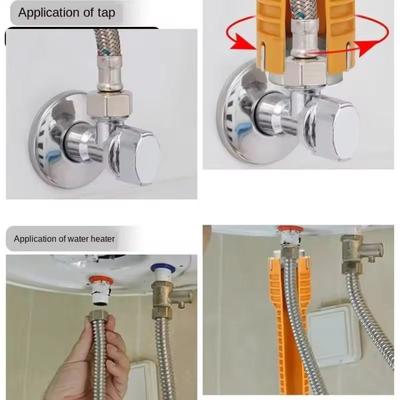
Inspired Living Multifunction Faucet & Sink Wrench Easy Plumbing Install & Removal Tool yellowA simple, dependable wrench that transforms frustrating faucet and sink repairs into an effortless DIY job. The Multifunction Faucet & Sink Wrench is built for homeowners and pros who dread crawling under sinks it reaches deep, tight spaces to...35,97 $*Shipping: 0,00 $Secure redirect to the provider
-
Ebern Designs Ronique 120Cm Wall Mounted Double Bathroom Vanity Sink with Ceramic Basin, Faucet and Hoses Brown 1,200mm WThe set comes everything you need and shipped by two sturdier packages. Including a vintage-toned sink with sintered stone-textured countertop, complementing ceramic basin and copper faucet, water connecting hoses and drain pipe, each component is masterfully crafted for high durability, ensuring a seamless installation and integration into the bathrooms. Ebern Designs699,99 £*Shipping: 0,00 £Secure redirect to the provider
-
Uplift Treasures 8 In 1 Sink Faucet Wrench Plumbing Repair Tool 8 In 1 YellowProduct Description Make faucet installation and repairs easier with this 8 in 1 sink faucet wrench tool. Designed for tight spaces under sinks, it features a non slip grip and multiple functions to handle kitchen and bathroom plumbing tasks...59,97 $*Shipping: 0,00 $Secure redirect to the provider



-
What is the difference between competitive inhibition and allosteric inhibition?
Competitive inhibition occurs when a molecule competes with the substrate for the active site of an enzyme, effectively blocking the substrate from binding and inhibiting the enzyme's activity. In contrast, allosteric inhibition occurs when a molecule binds to a site on the enzyme other than the active site, causing a conformational change that reduces the enzyme's activity. While competitive inhibition directly competes with the substrate for the active site, allosteric inhibition involves binding to a different site on the enzyme to regulate its activity. **
-
Non-competitive inhibition, right?
Non-competitive inhibition is a type of enzyme inhibition where the inhibitor binds to a site on the enzyme that is not the active site. This binding causes a conformational change in the enzyme, making it less effective at catalyzing the reaction. Non-competitive inhibitors do not compete with the substrate for binding to the enzyme. Instead, they can bind to the enzyme-substrate complex or to a separate allosteric site on the enzyme. **
-
Is allosteric inhibition irreversible?
Allosteric inhibition is typically reversible, meaning that the inhibitor can bind to the allosteric site and block the activity of the enzyme, but can also dissociate from the site, allowing the enzyme to regain its activity. This is in contrast to irreversible inhibition, where the inhibitor forms a covalent bond with the enzyme, permanently inactivating it. **
-
What is allosteric inhibition?
Allosteric inhibition is a type of enzyme regulation where a molecule binds to a site on the enzyme that is different from the active site, causing a conformational change in the enzyme's structure. This change reduces the enzyme's activity and ability to bind to its substrate, ultimately inhibiting its function. Allosteric inhibition is a reversible process and can be used to regulate enzyme activity in response to changing cellular conditions. **


What is the difference between allosteric inhibition and competitive inhibition in biology?
Allosteric inhibition occurs when a molecule binds to an allosteric site on an enzyme, causing a conformational change that reduces the enzyme's activity. This type of inhibition is non-competitive and can affect multiple enzymes in a metabolic pathway. On the other hand, competitive inhibition occurs when a molecule competes with the substrate for the active site of the enzyme, effectively blocking the substrate from binding and reducing the enzyme's activity. Competitive inhibition can be overcome by increasing the concentration of the substrate, while allosteric inhibition cannot be overcome in the same way. **
What is the difference between non-competitive inhibition and allosteric inhibition in biochemistry?
Non-competitive inhibition occurs when an inhibitor binds to an enzyme at a site other than the active site, causing a conformational change in the enzyme that reduces its activity. This type of inhibition does not compete with the substrate for binding to the active site. On the other hand, allosteric inhibition occurs when an inhibitor binds to an allosteric site on the enzyme, causing a conformational change that reduces the enzyme's activity. Allosteric inhibition can be reversible or irreversible, and it can be overcome by increasing the concentration of the substrate. **
Top-Angebote
Products related to Inhibition:
-
All Categories Goods Modern White Ceramic Bathroom Vanity Top Sink With Pre Drilled Faucet Hole, Durable Vanity Basin Modern White Ceramic Bathroom Vanity Top Sink With Pre Drilled Faucet Hole, Durable Vanity BasinElevate Your Bathroom with Timeless Elegance Transform your space with this White Ceramic Bathroom Vanity Top Sink with PreDrilled Faucet Hole, designed for women who value both beauty and practicality. Its crisp white finish brightens any bathroom,...109,97 $*Shipping: 0,00 $Secure redirect to the provider
-
Uplift Treasures 8 in 1 Multi Functional Sink Faucet Wrench Universal Large Open Plumbing Tool For Bathroom & Household Water Pipe 8 in 1 Multi Functional Sink Faucet Wrench Universal Large Open Plumbing Tool For Bathroom & Household Water PipeProduct Description Make faucet and pipe installation easier with this 8in1 MultiFunctional Sink Faucet Wrench. Designed with a large openend structure and universal compatibility, this tool is perfect for tightening or loosening nuts, pipes, and...42,97 $*Shipping: 0,00 $Secure redirect to the provider
-
Inspired Living Multifunction Faucet & Sink Wrench Easy Plumbing Install & Removal Tool yellowA simple, dependable wrench that transforms frustrating faucet and sink repairs into an effortless DIY job. The Multifunction Faucet & Sink Wrench is built for homeowners and pros who dread crawling under sinks it reaches deep, tight spaces to...35,97 $*Shipping: 0,00 $Secure redirect to the provider
-
Ebern Designs Ronique 120Cm Wall Mounted Double Bathroom Vanity Sink with Ceramic Basin, Faucet and Hoses Brown 1,200mm WThe set comes everything you need and shipped by two sturdier packages. Including a vintage-toned sink with sintered stone-textured countertop, complementing ceramic basin and copper faucet, water connecting hoses and drain pipe, each component is masterfully crafted for high durability, ensuring a seamless installation and integration into the bathrooms. Ebern Designs699,99 £*Shipping: 0,00 £Secure redirect to the provider
-
What type of inhibition occurs through allosteric activation/inhibition?
Allosteric inhibition occurs when a molecule binds to an allosteric site on an enzyme, causing a conformational change that reduces the enzyme's activity. This type of inhibition is non-competitive, meaning it does not compete with the substrate for the active site. Allosteric activation, on the other hand, occurs when a molecule binds to an allosteric site and enhances the enzyme's activity. Both allosteric inhibition and activation involve the binding of a regulatory molecule to a site other than the active site of the enzyme, leading to a change in the enzyme's activity. **
-
Is allosteric inhibition the same as non-competitive inhibition?
Allosteric inhibition and non-competitive inhibition are not the same, although they are related. Non-competitive inhibition refers to the binding of an inhibitor to a site on the enzyme that is not the active site, thereby preventing the substrate from binding to the active site. Allosteric inhibition, on the other hand, occurs when an inhibitor binds to a site on the enzyme that is distinct from the active site, causing a conformational change in the enzyme that reduces its activity. While both types of inhibition involve the binding of an inhibitor to a site other than the active site, allosteric inhibition specifically involves a change in the enzyme's shape and activity. **
-
What is the difference between competitive inhibition and allosteric inhibition?
Competitive inhibition occurs when a molecule competes with the substrate for the active site of an enzyme, effectively blocking the substrate from binding and inhibiting the enzyme's activity. In contrast, allosteric inhibition occurs when a molecule binds to a site on the enzyme other than the active site, causing a conformational change that reduces the enzyme's activity. While competitive inhibition directly competes with the substrate for the active site, allosteric inhibition involves binding to a different site on the enzyme to regulate its activity. **
-
Non-competitive inhibition, right?
Non-competitive inhibition is a type of enzyme inhibition where the inhibitor binds to a site on the enzyme that is not the active site. This binding causes a conformational change in the enzyme, making it less effective at catalyzing the reaction. Non-competitive inhibitors do not compete with the substrate for binding to the enzyme. Instead, they can bind to the enzyme-substrate complex or to a separate allosteric site on the enzyme. **
Similar search terms for Inhibition
-
Uplift Treasures 8 In 1 Sink Faucet Wrench Plumbing Repair Tool 8 In 1 YellowProduct Description Make faucet installation and repairs easier with this 8 in 1 sink faucet wrench tool. Designed for tight spaces under sinks, it features a non slip grip and multiple functions to handle kitchen and bathroom plumbing tasks...59,97 $*Shipping: 0,00 $Secure redirect to the provider
-
Inspired Living Multifunction Faucet & Sink Wrench Easy Plumbing Install & Removal Tool redA simple, dependable wrench that transforms frustrating faucet and sink repairs into an effortless DIY job. The Multifunction Faucet & Sink Wrench is built for homeowners and pros who dread crawling under sinks it reaches deep, tight spaces to...35,97 $*Shipping: 0,00 $Secure redirect to the provider
-
Ebern Designs Ronique 100Cm Wall Mounted Single Bathroom Vanity Sink with Ceramic Basin, Faucet and Hoses Brown 1,000mm WThe set comes everything you need and shipped by two sturdier packages. Including a vintage-toned sink with sintered stone-textured countertop, complementing ceramic basin and copper faucet, water connecting hoses and drain pipe, each component is masterfully crafted for high durability, ensuring a seamless installation and integration into the bathrooms. Ebern Designs439,99 £*Shipping: 0,00 £Secure redirect to the provider
-
Is allosteric inhibition irreversible?
Allosteric inhibition is typically reversible, meaning that the inhibitor can bind to the allosteric site and block the activity of the enzyme, but can also dissociate from the site, allowing the enzyme to regain its activity. This is in contrast to irreversible inhibition, where the inhibitor forms a covalent bond with the enzyme, permanently inactivating it. **
-
What is allosteric inhibition?
Allosteric inhibition is a type of enzyme regulation where a molecule binds to a site on the enzyme that is different from the active site, causing a conformational change in the enzyme's structure. This change reduces the enzyme's activity and ability to bind to its substrate, ultimately inhibiting its function. Allosteric inhibition is a reversible process and can be used to regulate enzyme activity in response to changing cellular conditions. **
-
What is the difference between allosteric inhibition and competitive inhibition in biology?
Allosteric inhibition occurs when a molecule binds to an allosteric site on an enzyme, causing a conformational change that reduces the enzyme's activity. This type of inhibition is non-competitive and can affect multiple enzymes in a metabolic pathway. On the other hand, competitive inhibition occurs when a molecule competes with the substrate for the active site of the enzyme, effectively blocking the substrate from binding and reducing the enzyme's activity. Competitive inhibition can be overcome by increasing the concentration of the substrate, while allosteric inhibition cannot be overcome in the same way. **
-
What is the difference between non-competitive inhibition and allosteric inhibition in biochemistry?
Non-competitive inhibition occurs when an inhibitor binds to an enzyme at a site other than the active site, causing a conformational change in the enzyme that reduces its activity. This type of inhibition does not compete with the substrate for binding to the active site. On the other hand, allosteric inhibition occurs when an inhibitor binds to an allosteric site on the enzyme, causing a conformational change that reduces the enzyme's activity. Allosteric inhibition can be reversible or irreversible, and it can be overcome by increasing the concentration of the substrate. **
* All prices are inclusive of VAT and, if applicable, plus shipping costs. The offer information is based on the details provided by the respective shop and is updated through automated processes. Real-time updates do not occur, so deviations can occur in individual cases. ** Note: Parts of this content were created by AI.